






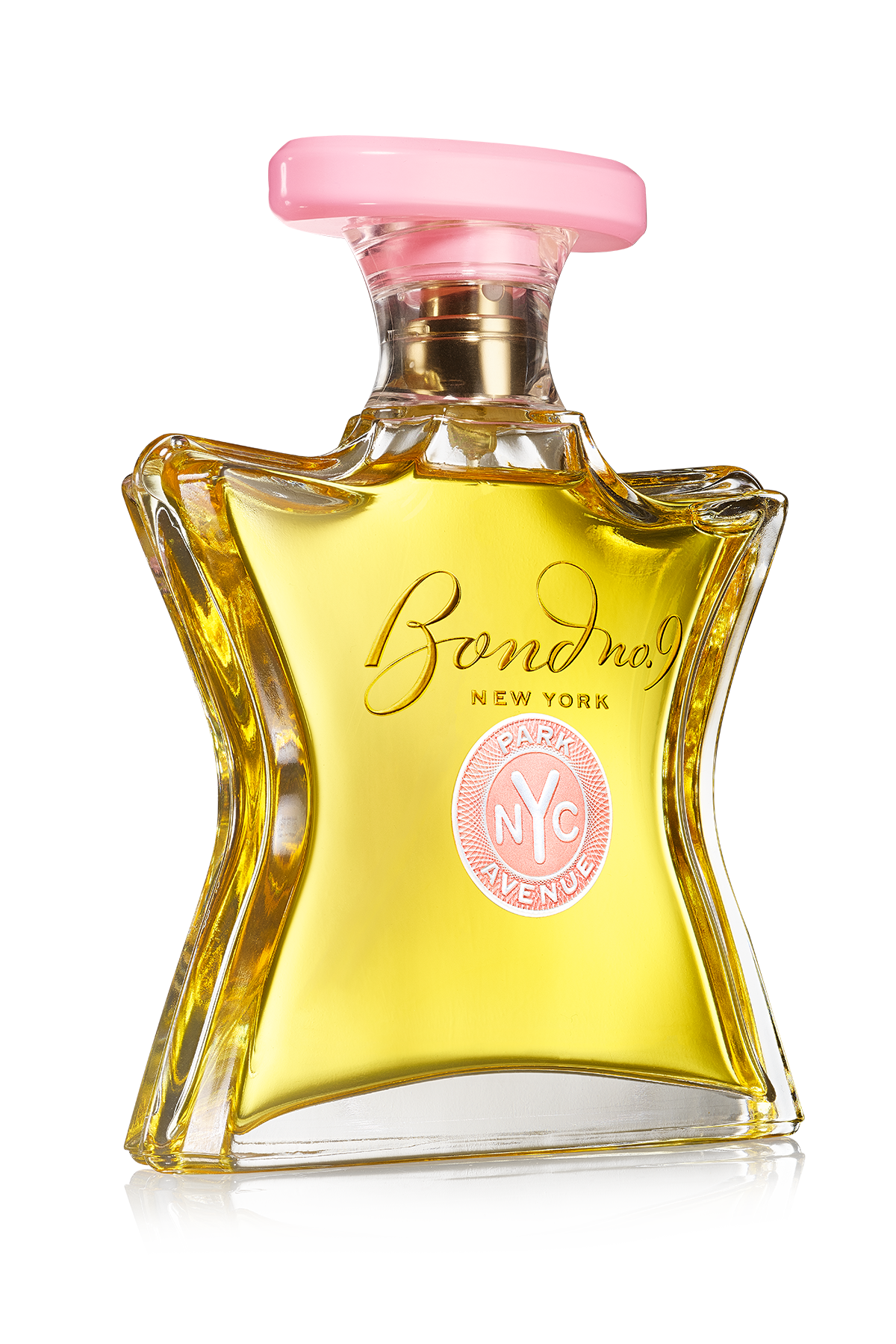
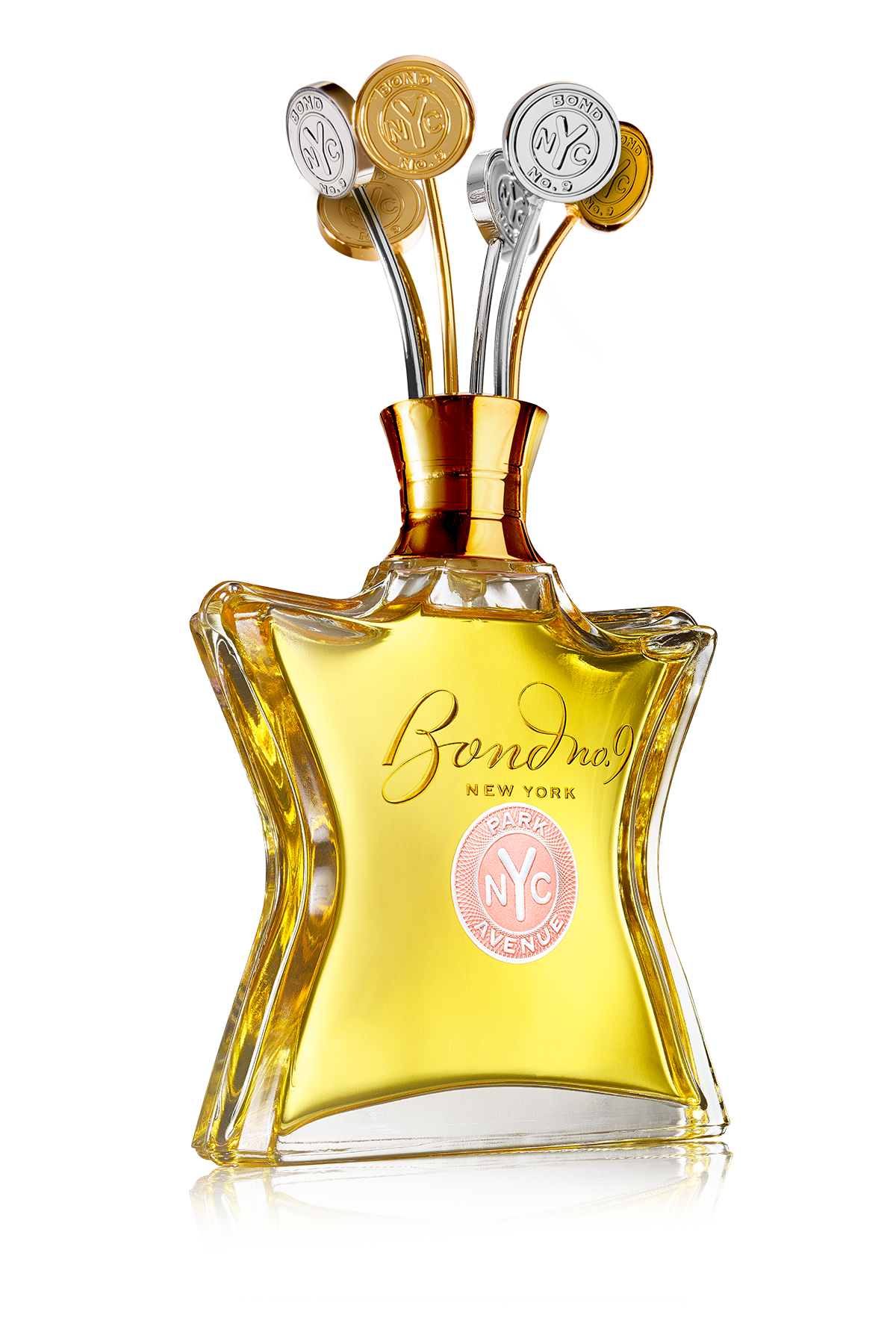
PARK AVENUE
DETAILS
The light floral scent of infuriatingly discreet good taste... guaranteed.
Notes: Mimosa, Lemon, Chamomile, Paperwhite, Rose, Musk, Ebonywood and Vanilla
From Bond Street to your street — our gift to you: complimentary ground shipping, every time you shop.
Wrap your gift in Bond No. 9 elegance. Simply add gift wrap in the cart — $9 per item — for a beautifully boxed presentation.
Notes

Mimosa

Chamomile

Paperwhites

Rose

Musk

Vanilla
Composition
Every Bond No. 9 fragrance is composed like a skyline—layered, complex, and always evolving. The top notes make the first impression, the heart notes define the soul, and the base notes leave a lasting mark.

BOND NO. 9 PARK AVENUE
Impeccable Elegance
Frequently asked questions
Overall rating: 0.0 / 5 from 0 reviews.
AI Generated Review Summary
Summary topics
Review topics: [].
Review highlights
Reviews
Q&A
You. Us. New York.
City-born. Style-driven. Tap into the scent of Bond No. 9 on Instagram and beyond.