






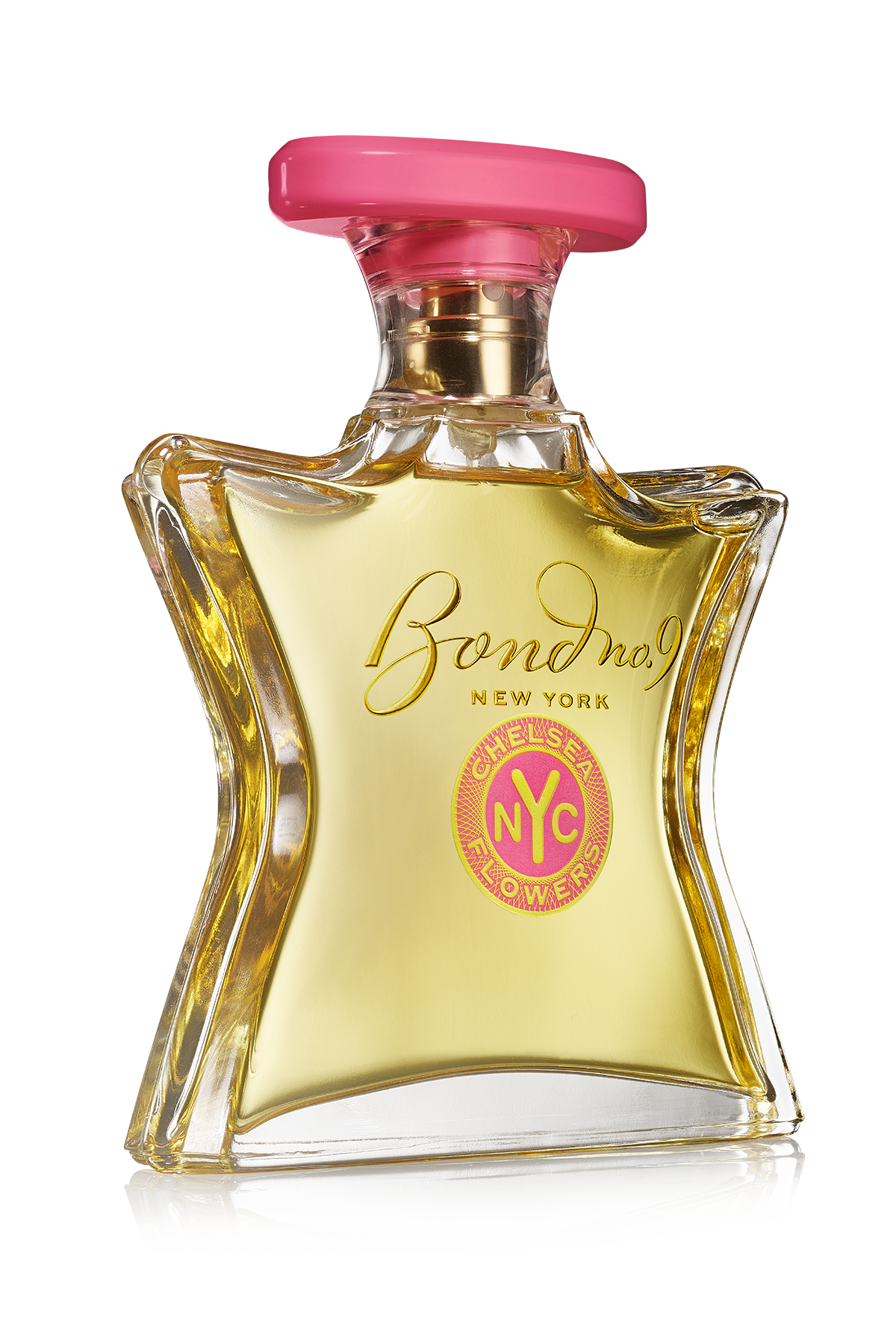
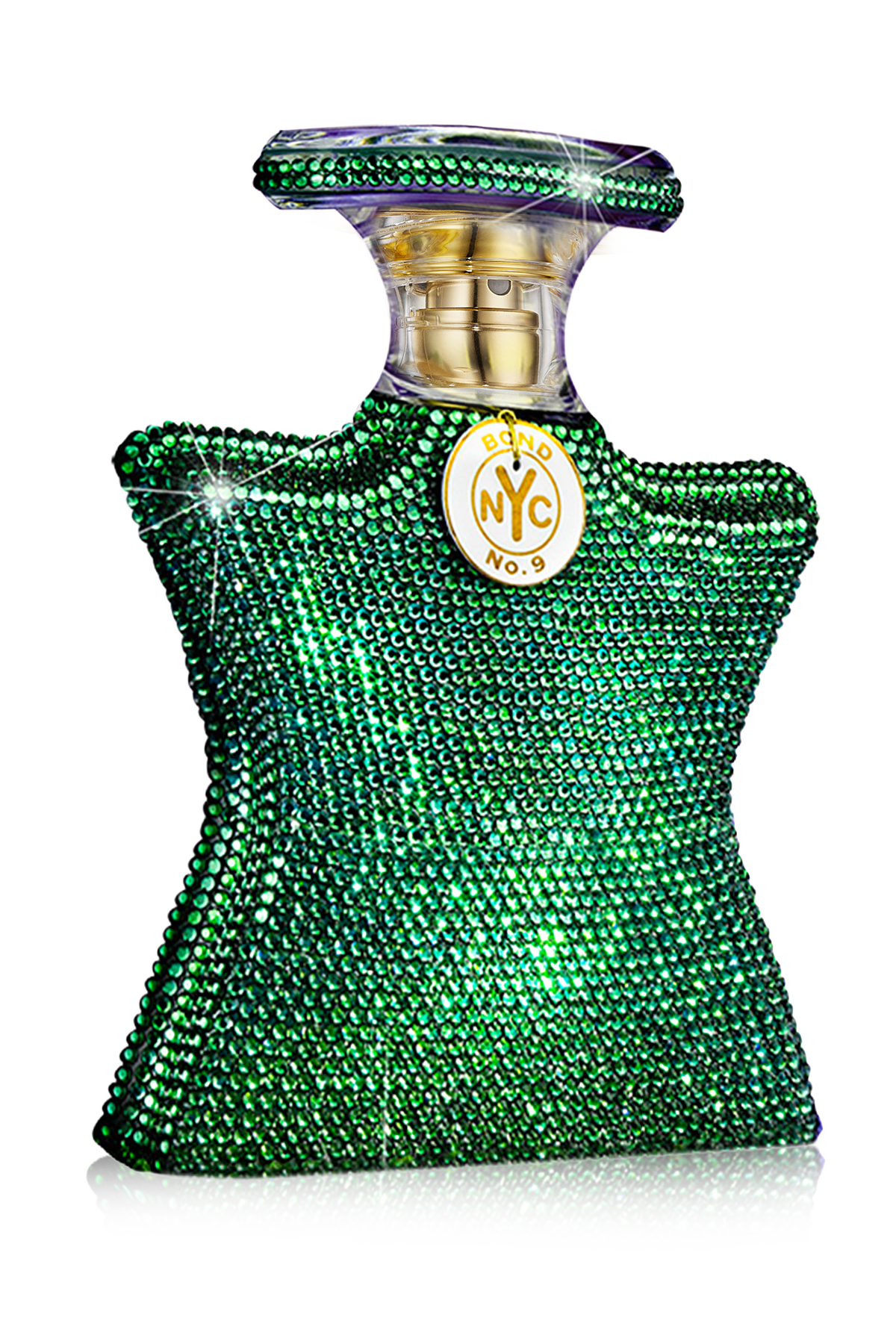
CHELSEA FLOWERS with LIMITED EDITION ANNIVERSARY CAP
Chelsea Flowers featuring limited-edition caps inspired by vintage NYC subway tokens, A triumphant bouquet of New York's essence encapsulated in ev...
For international orders, duties and customs fees are collected upon delivery.
Complimentary Samples on All Orders
Free Ground Shipping
CHELSEA FLOWERS with LIMITED EDITION ANNIVERSARY CAP100ml
セール価格3.959,00 kr
Notes

White Peony

Mimosa

White Hyacinth

Magnolia

Rose

Sandalwood
Inside the fragrance
Composition
Every Bond No. 9 fragrance is composed like a skyline—layered, complex, and always evolving. The top notes make the first impression, the heart notes define the soul, and the base notes leave a lasting mark.

About us
BOND NO. 9 CHELSEA FLOWERS with LIMITED EDITION ANNIVERSARY CAP
Location, Location, Location
You. Us. New York.
City-born. Style-driven. Tap into the scent of Bond No. 9 on Instagram and beyond.