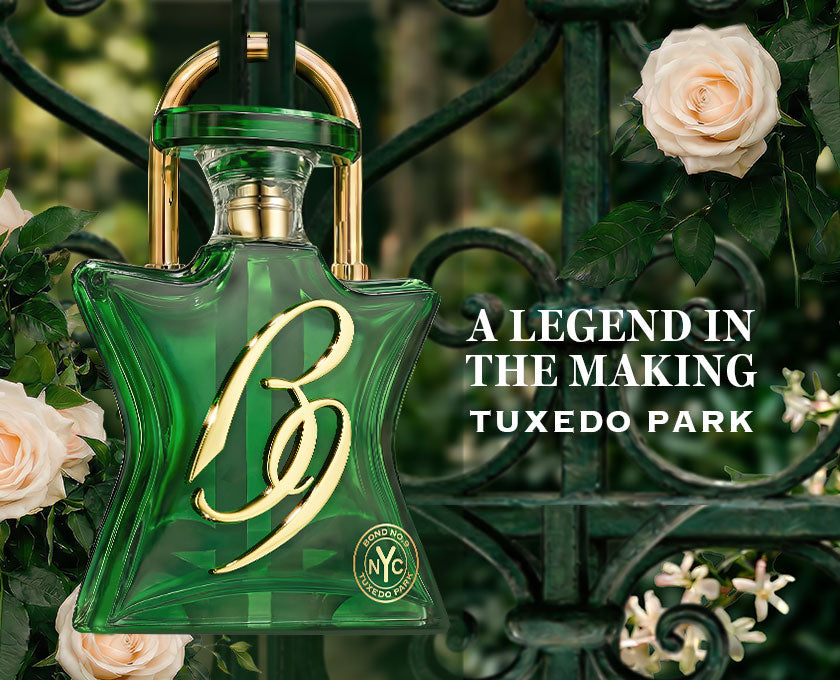
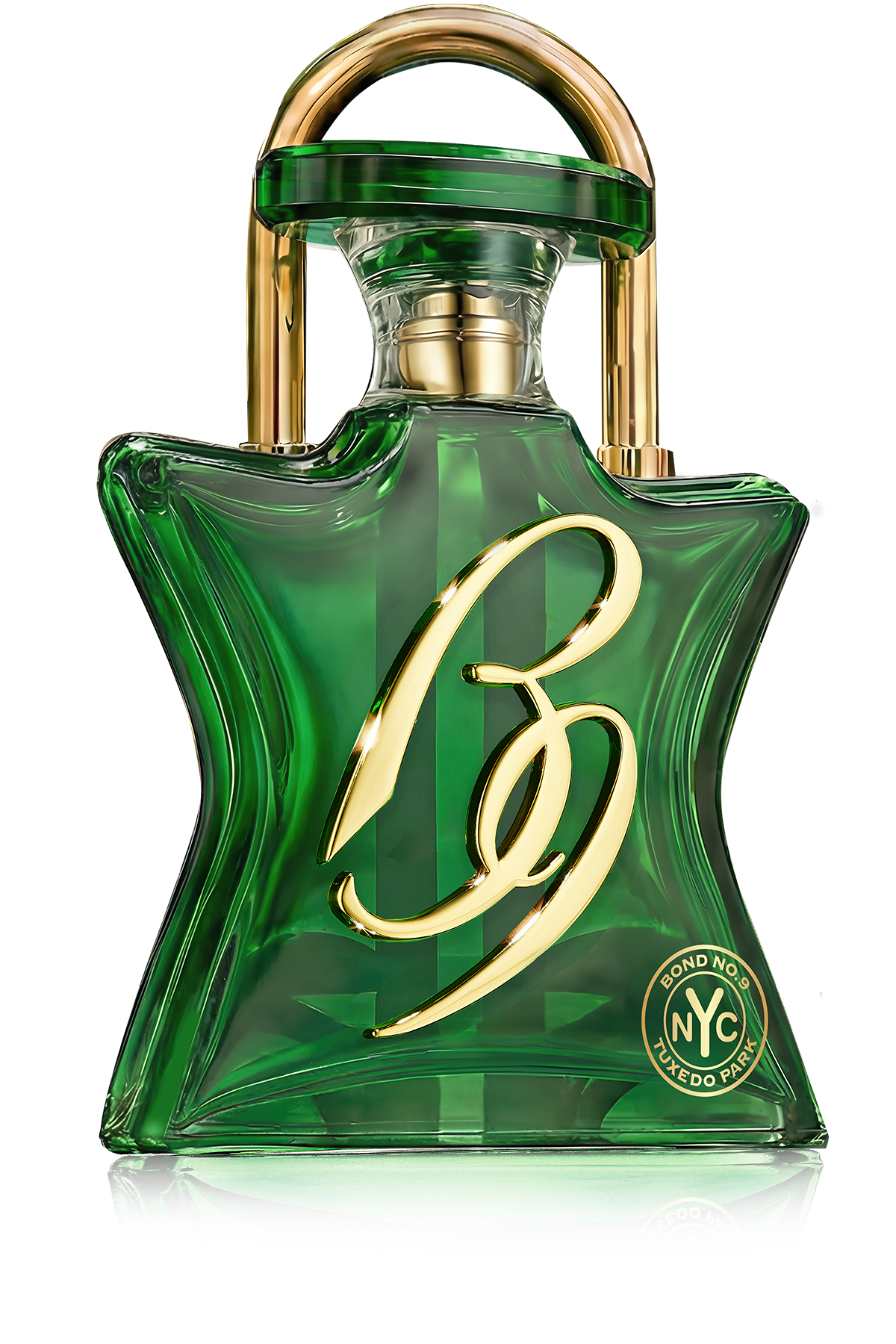
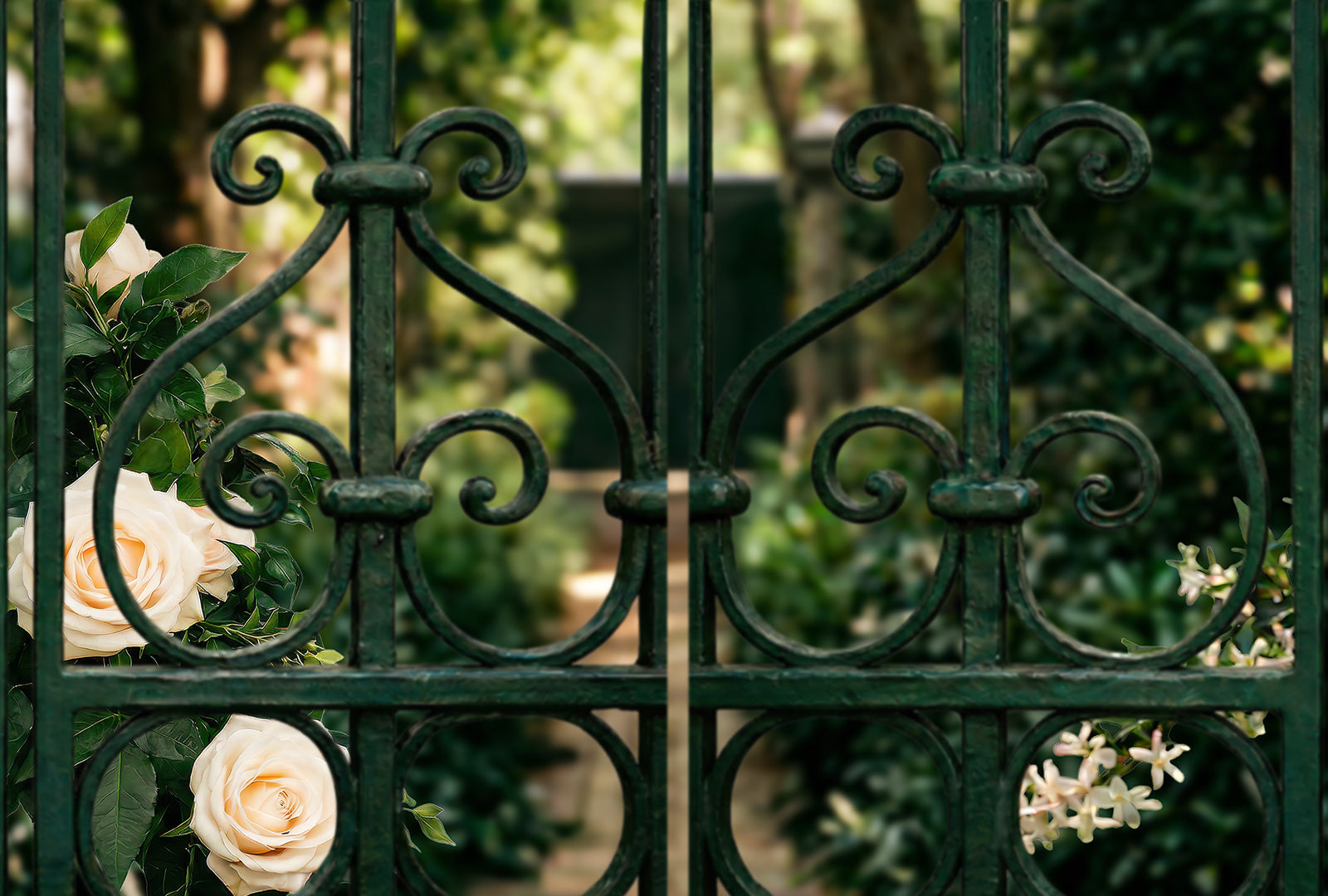
Nestled in the Ramapo Mountains just north of Manhattan, Tuxedo Park is one of New York's most storied enclaves - the first planned residential community where Gilded Age ambition meets pastoral retreat.
Founded in 1885 by tobacco heir Pierre Lorillard IV, the village was conceived as a private, gated haven for New York's elite, blending European aristocratic ideals with distinctly American grandeur and classical, opulent architecture.
Its rolling hills, pristine lakes, and winding carriage paths were carefully constructed and preserved as a living landscape of leisure. "We didn't just choose any park," says Bond No. 9 Founder Laurice Rahme. "Tuxedo Park is the embodiment of quiet, outdoor chic and has an incredible New York heritage."
From inception, Tuxedo Park became synonymous with high society. The Astors, Vanderbilts, Morgans and Whitneys were among its celebrated residents and guests who traveled from their NYC mansions to their holiday estates, while cultural figures such as Mark Twain and Oscar Wilde passed through its gates. Emily Post wrote her iconic 1922 tome Etiquette based on the formal manners she observed while growing up there.
The community's social calendar, which centered around the village's exclusive Tuxedo Club, was legendary and crowned by the iconic Autumn Ball - a glittering affair that drew the era's tastemakers for nights of music, dancing and sartorial spectacle. It was at one such ball in the 1880's that the modern tuxedo (inspired by the stylish Prince of Wales) is said to have made its American debut - an innovation that quickly spread from Tuxedo Park's ballrooms to New York society and beyond - forever linking the village's name to the global symbol of black-tie elegance.